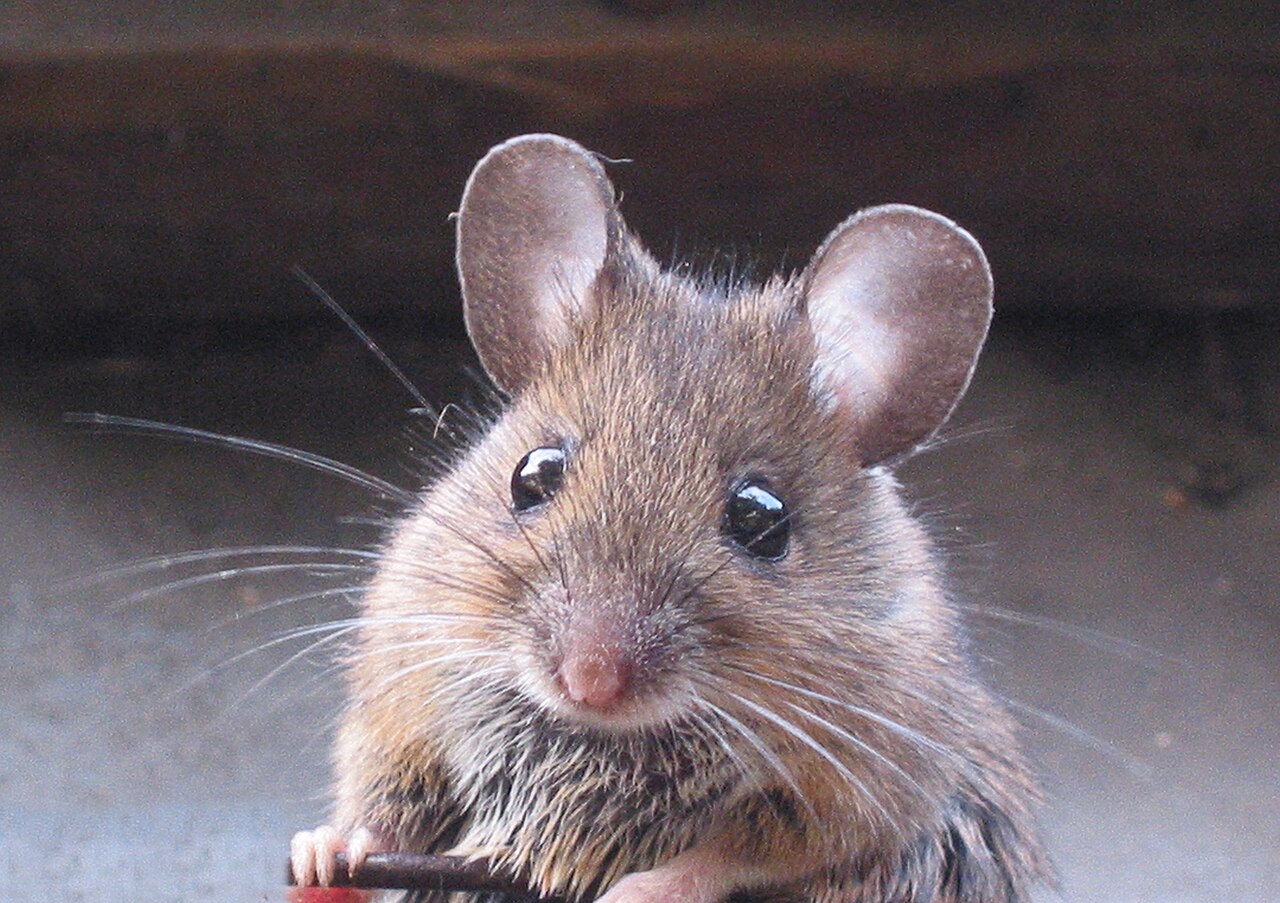
We walk into a lot of basements with a little plastic device glowing in the outlet at the bottom of the stairs. Sometimes there are four or five of them around the house. And we’re standing there because the homeowner still has mice, which tells you most of what you need to know before we get into the science.
Nobody should feel dumb about buying one. They’re twenty bucks, they’re sold in every hardware store in Utah County, and the pitch is perfect: plug it in, a sound you can’t hear makes pests miserable, they leave, nothing gets sprayed. We’d sell them ourselves if they worked. Here’s what the research actually shows.
What the devices claim to do
Ultrasound is just sound above the top of human hearing, roughly anything past 20,000 Hz. These gadgets emit tones in that range and the packaging says the noise is unbearable to rodents and insects, so they’ll clear out of the treated room. Some models add a strobe or claim to send pulses through your house wiring.
The idea isn’t crazy on its face. Mice and rats really do hear well up into the ultrasonic range, and they use it. Mouse pups call to their mothers in ultrasound, and adults squeak at each other well above what we can hear. So there is a real biological hook here. The question is whether a tone from a wall outlet actually drives them out of a house, and that has been tested a lot since these things first hit shelves in the 1970s.
What the research found
The short version: brief effect at first, then nothing.
In controlled rodent studies, animals exposed to ultrasonic devices often do react at the start. They avoid the area, they act unsettled, the numbers look promising for a few days. Then they habituate. The sound isn’t hurting them and it isn’t followed by anything bad, so it becomes background noise, like living next to train tracks. Within days to a couple of weeks the mice go back to running their normal routes, and researchers have watched them nest and feed within a few feet of an active emitter.
Insects fare even better against these devices. Most household pests don’t have ears in any useful sense. Cockroaches, ants, and spiders sense the world mostly through vibration in the surface they’re standing on and through air movement, not through airborne high-frequency tones. When researchers tested commercially sold ultrasonic repellers against bed bugs, the bugs didn’t move toward the devices or away from them. Some insects genuinely do hear ultrasound. Certain moths evolved ears specifically to detect hunting bats. But detecting a sound and abandoning a warm house with food in it are two different things.
Regulators noticed. The Federal Trade Commission has gone after sellers of ultrasonic pest devices over unsupported advertising and sent warning letters to a large batch of companies making these claims, telling them the science has to back the box. That was decades ago, and the same devices are still on the shelf.
The physics problem nobody mentions
Even if the sound bothered a mouse forever, it can’t get where the mouse lives.
High-frequency sound behaves almost like light. It travels in a fairly tight beam, it bounces off hard surfaces, and it gets soaked up by soft ones. It does not bend around corners the way low bass does, and it does not go through walls. A device plugged into the hallway is blocked by the couch, the drapes, the hollow-core bedroom door, and every stud bay in the house.
Now think about where mice actually spend their time. Inside wall voids. Under the subfloor. Behind the dishwasher. In the insulation over your bedroom ceiling. Up in the joist space above the garage. Those are exactly the places the sound can’t reach. You’ve built a small zone of annoyance in the middle of an open room, and the animals were never using the middle of the open room anyway. They run walls and edges.
Same story for the outdoor stake versions aimed at voles and gophers. Soil transmits vibration in ways that don’t match what those devices put out, and a vole tunneling through your lawn in Salem has an entire yard to work with.
A word about your pets
One thing these devices can do is bother animals you like. Dogs and cats hear well past our range, and pet rodents, rabbits, and guinea pigs hear right into the frequencies these things produce. We’ve talked to people whose hamster stopped eating and whose dog started avoiding a room after they plugged one in. If you own a repeller and a pet is acting off, unplug it for a week and watch.
What we do instead
None of this means you’re stuck with mice. It means the sound was never the lever. Three things are:
- Sealing. Mice fit through a gap the width of a dime, and the openings are predictable: the bottom corners of the garage door, gaps around the gas line and AC line set, unscreened foundation vents, worn door sweeps. Close those and the population outside stays outside.
- Removing food and harborage. Dog food and bird seed in metal bins, cardboard off the garage floor, wood piles away from the house, and shrubs trimmed back off the siding.
- Actual product placed where pests live. A treated barrier at the foundation, bait in the voids, traps on the runways, and a return visit to confirm it took.
That’s unglamorous work, and it’s why a real service costs more than a plug-in. Our year-round plan runs $199 for the initial service on a home up to 2,500 square feet, then $89 per quarterly visit, and it covers the everyday crowd: spiders, ants, crickets, earwigs, centipedes, millipedes, silverfish, pill bugs, and black widows. Rodent work with exclusion starts at $495, with the final price confirmed after we look at your house, because a bungalow in Payson and a two-story in Springville are different jobs.
We’ve been doing this in Utah for 23 years and we’d rather tell you the truth about a $20 device than let you spend another winter listening to scratching in the wall. If that’s where you’re at, get a quote online or call us at (801) 494-3707 and we’ll come find the actual holes. Can we get them out and keep them out? Yes, we can.